Writing / Ruby on Rails · July 22, 2026 · 2 min read
Beyond Rails: How to Handle Real-Time & WebSocket-Heavy Apps
ActionCable is fine. But when you need to handle 10,000+ concurrent connections, you need a different beast.
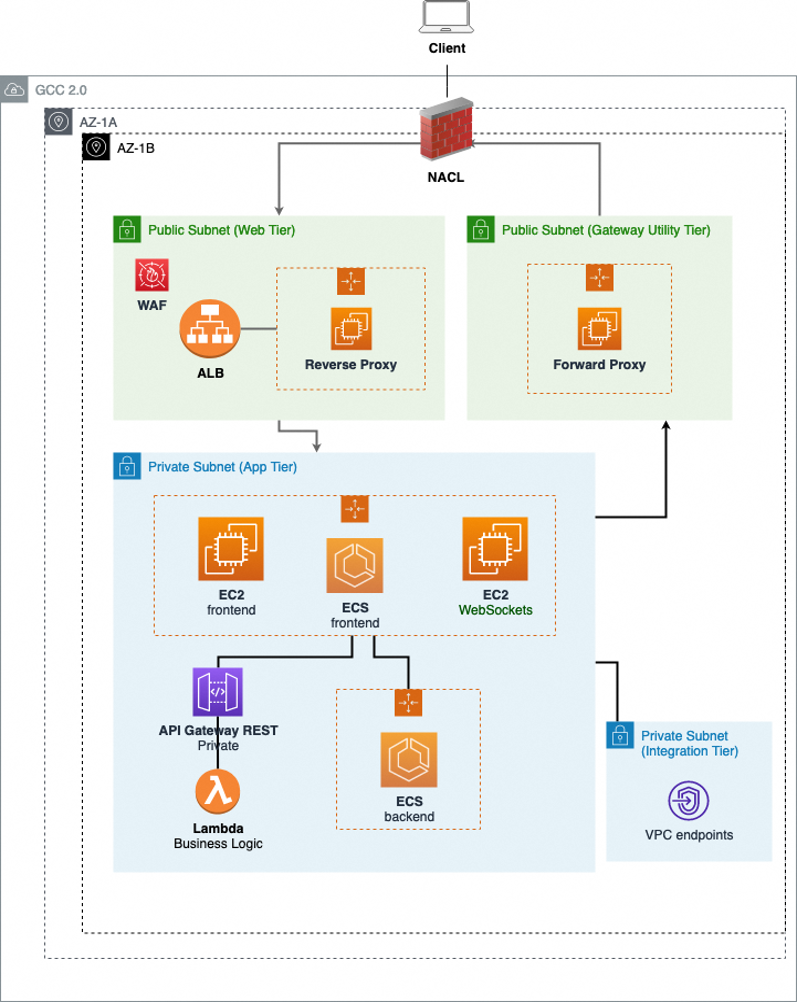
Ruby on Rails is unbeatable for CRUD apps, business logic, and rapid prototyping. But real-time applications live collaboration, gaming, IoT dashboards, high-frequency feeds expose its limits.
ActionCable exists, and it works for notifications and simple live updates. But under massive concurrent load, it struggles. The Ruby interpreter and single-threaded model weren't built for millions of simultaneous WebSocket connections.
So what fills the gap?
Phoenix (Elixir/Erlang) is the gold standard. Built on the BEAM VM, it handles millions of lightweight processes as a core feature, not an afterthought. Channels are first-class citizens. If you're building real-time games, live collaboration tools, or IoT platforms, Phoenix is where the magic happens.
AnyCable is the pragmatic bridge. It's a drop-in replacement for ActionCable's Ruby server with a Go or Erlang backend. You keep your Rails app, your conventions, your team and just swap the cable layer. I've seen teams 10x their WebSocket capacity without rewriting a line of business logic.
Socket.io + Node.js sits in the middle. Mature, event-driven, huge ecosystem. Good when your team knows JavaScript and needs better concurrency than ActionCable, but doesn't want to learn a new paradigm.
The real-world pattern? Keep Rails for the heavy CRUD and business logic. Offload the real-time layer to Phoenix, Node, or AnyCable. Communicate back to Rails via internal APIs or message queues. You don't abandon what works you augment it.
The best architectures aren't monolithic. They're layered, with the right tool doing the right job.
What's your real-time stack?
#RealTimeWeb #WebSockets #PhoenixFramework #Elixir #RubyOnRails #SystemDesign #BackendEngineering
Comments
Keep reading
Jul 22, 2026 · 2 min · Ruby on Rails
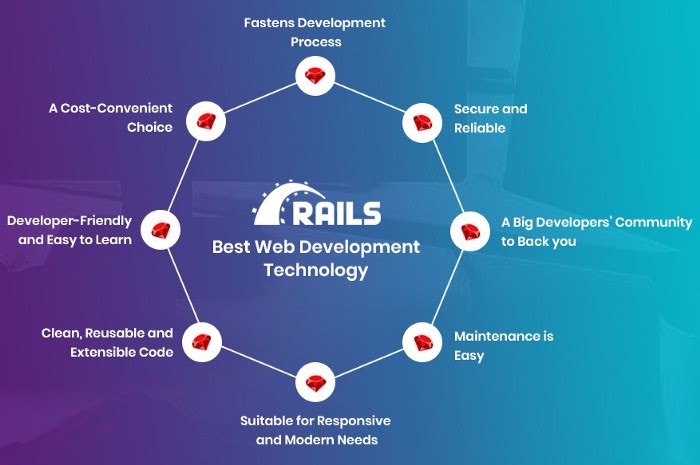
The Polyglot Stack: Why Modern Architecture Isn't About Picking One Language
Your stack shouldn't be a religion. It should be a toolbox.
Jul 22, 2026 · 2 min · Ruby on Rails
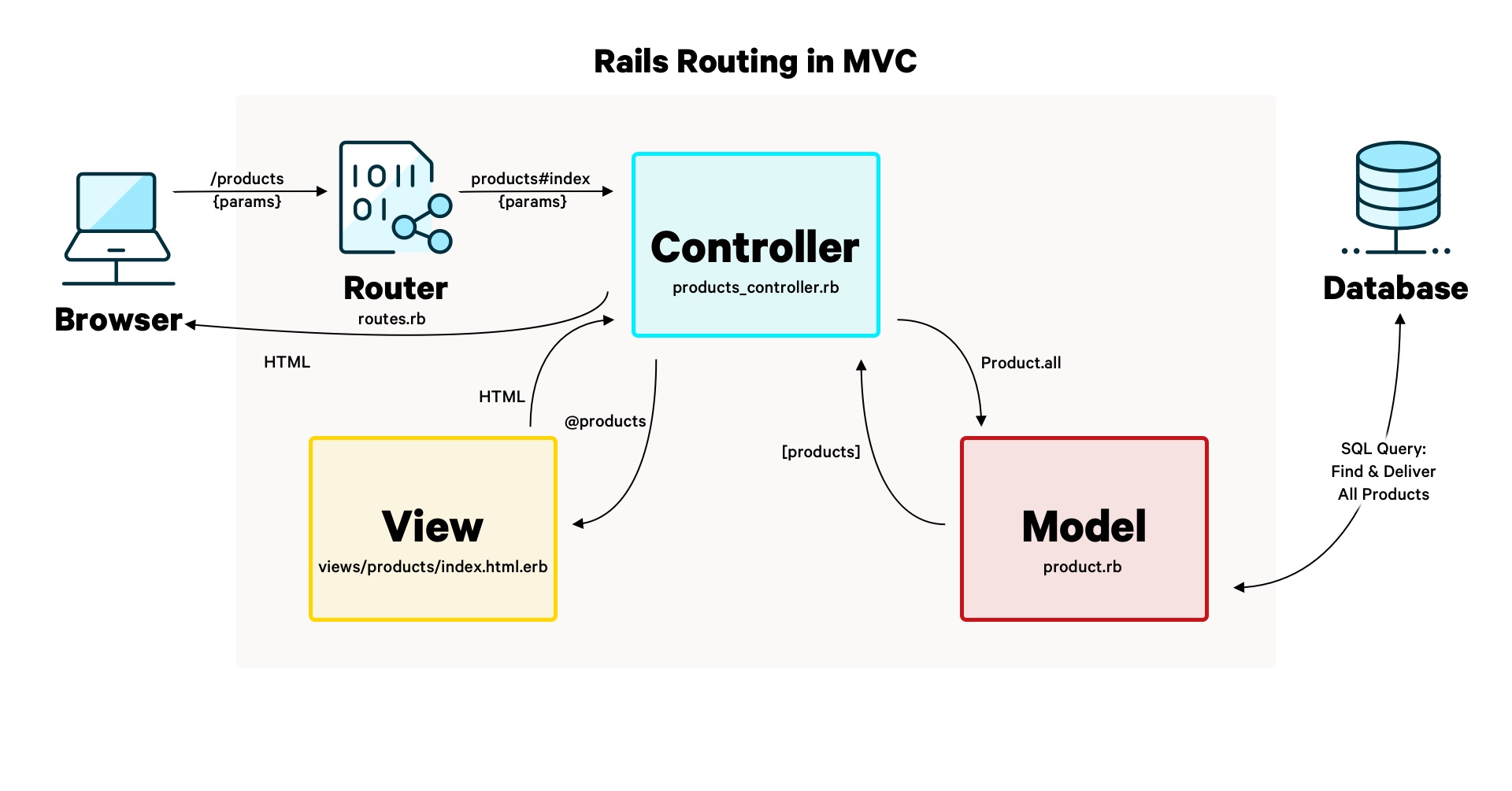
Why Ruby on Rails Still Matters in 2026
Rails isn't dead. It's just not trying to be trendy anymore.
Apr 10, 2026 · 7 min · Ruby on Rails
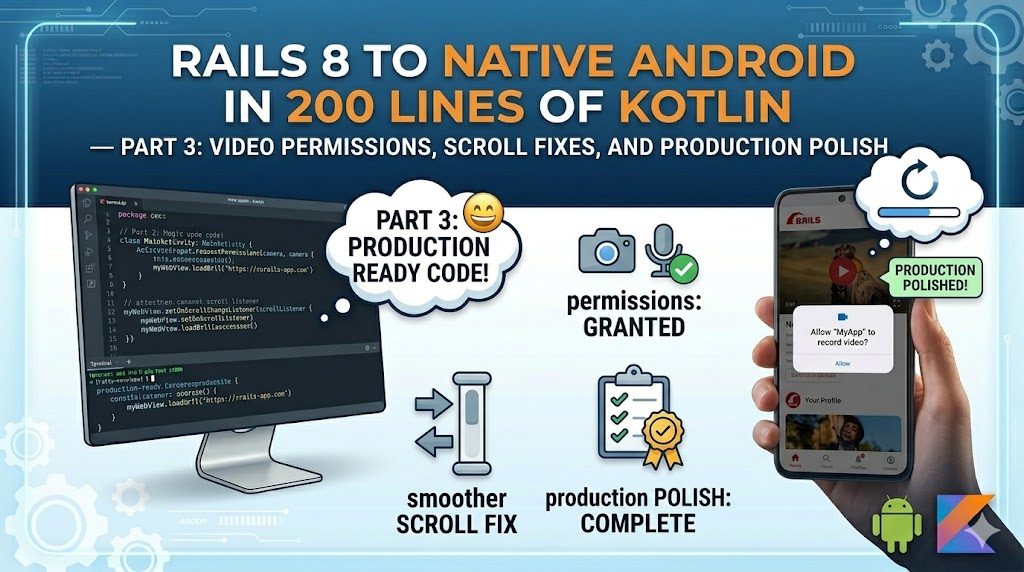
Rails 8 to Native Android in 200 Lines of Kotlin — Part 3: Video Permissions, Scroll Fixes, and Production Polish
In Parts 1 and 2, we built the WebView shell with tabs and auto-updates. Now we tackle the three things that separate a working prototype from a production app: camera/microphone permissions for video calls, the scroll conflict that plagues every WebView app, and the distribution polish that makes it feel professional.
Leave a comment