Writing / Ruby on Rails · July 22, 2026 · 2 min read
The Polyglot Stack: Why Modern Architecture Isn't About Picking One Language
Your stack shouldn't be a religion. It should be a toolbox.
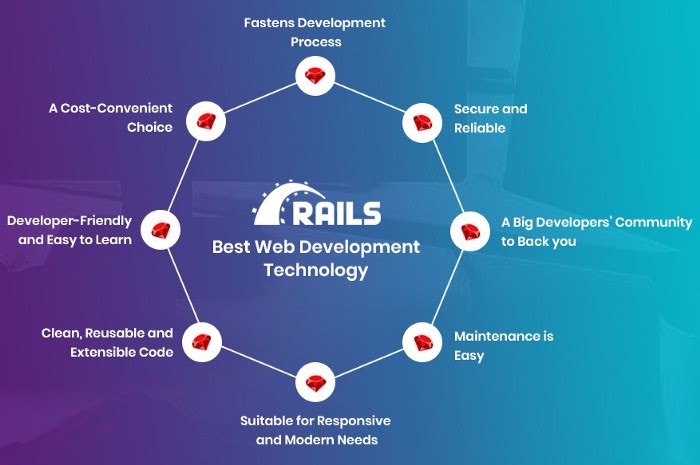
I keep seeing teams agonize over "Rails vs. Go vs. Phoenix vs. Node." As if choosing one means abandoning the others.
Here's the truth: the most successful modern stacks are polyglot by design. Rails for rapid business logic. Go for high-throughput APIs. Phoenix for real-time features. Rust for performance-critical paths. Python for ML inference.
Rails stays in the stack because:
Developer velocity for business logic is unmatched
ActiveRecord, Devise, Rails Admin these save months of work
Your team probably already knows it, and that's valuable
Other languages fill the gaps because:
Ruby is interpreted and single-threaded per process. You can't beat physics for raw CPU-bound performance
Real-time concurrency at scale needs the BEAM VM (Elixir/Erlang) or event-driven runtimes. Microservice orchestration needs tiny binaries with fast startup (Go) or zero-cost abstractions (Rust)
The architecture playbook:
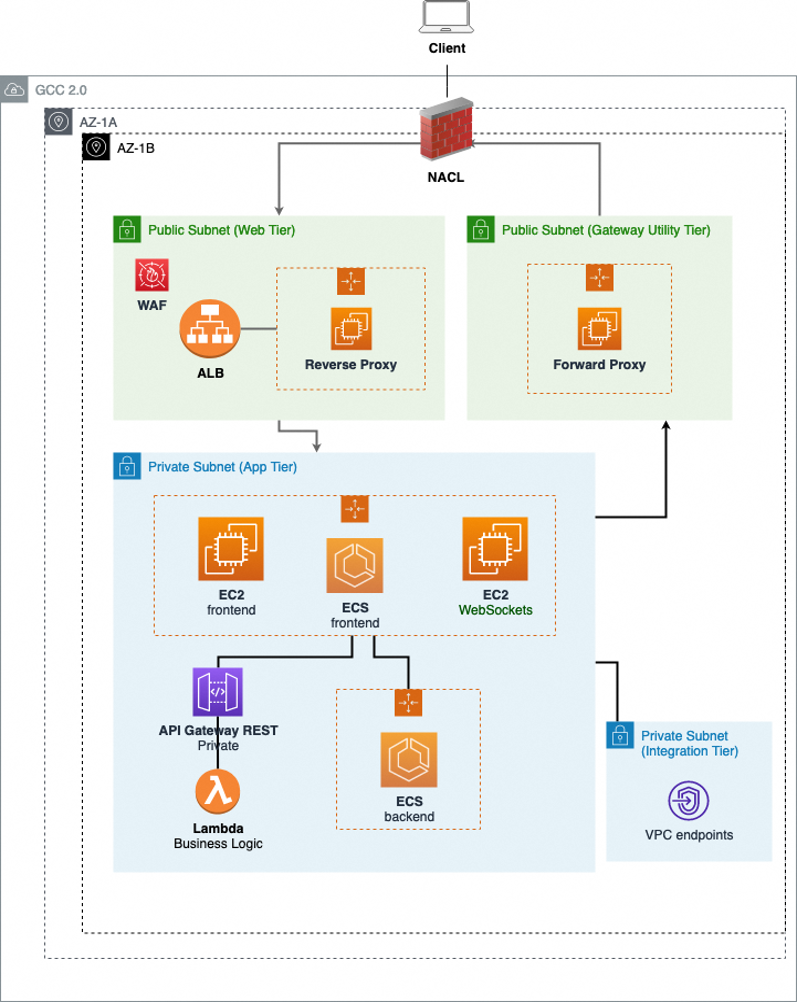
One "fat" Rails app for core domain users, billing, content
Extract high-load or specialized concerns into Go, Rust, or Node microservices
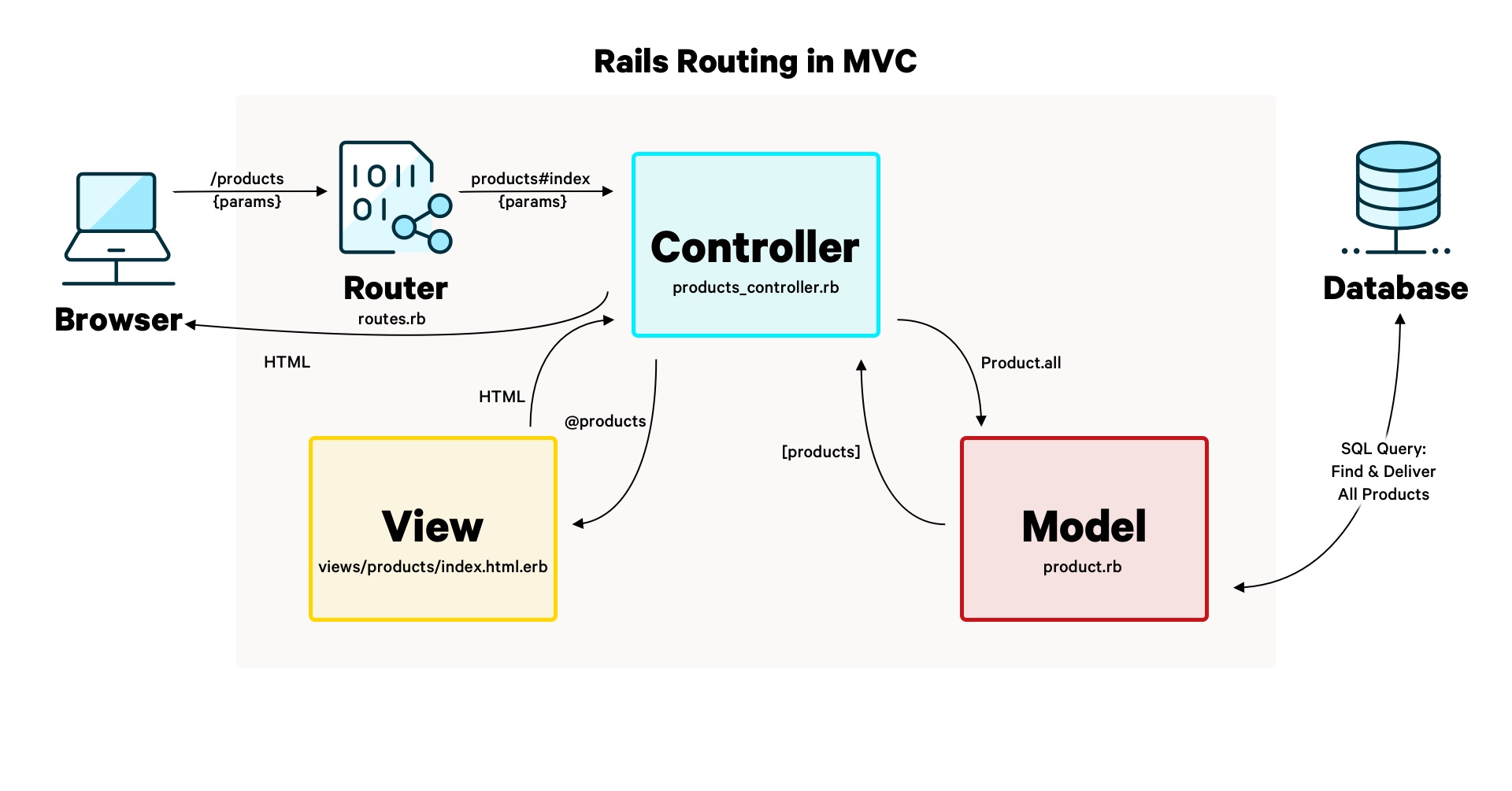
Communicate via gRPC, message buses (Kafka, RabbitMQ), or REST
Use a service mesh (Istio, Linkerd) for retries, circuit breaking, and observability
The FFI bridge is underrated. Write your hot path in Rust and call it from Ruby. You get the ergonomics of Rails and the speed of compiled code in the same process.
Rails doesn't need to be everything. It needs to be the right thing for the right layer. The gap-fillers aren't replacements they're teammates.
Stop asking "which framework?" Start asking "which layer needs which tool?"
What's in your polyglot stack?
#SystemDesign #Microservices #PolyglotProgramming #RubyOnRails #GoLang #RustLang #SoftwareArchitecture #TechLeadership
Comments
Keep reading
Jul 22, 2026 · 2 min · Ruby on Rails
Beyond Rails: How to Handle Real-Time & WebSocket-Heavy Apps
ActionCable is fine. But when you need to handle 10,000+ concurrent connections, you need a different beast.
Jul 22, 2026 · 2 min · Ruby on Rails
Why Ruby on Rails Still Matters in 2026
Rails isn't dead. It's just not trying to be trendy anymore.
Apr 10, 2026 · 7 min · Ruby on Rails
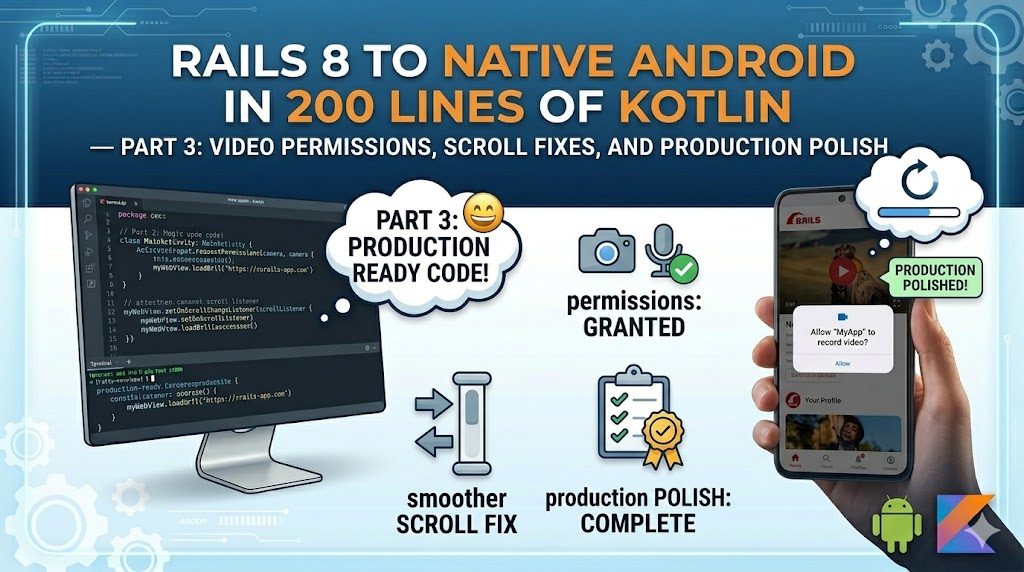
Rails 8 to Native Android in 200 Lines of Kotlin — Part 3: Video Permissions, Scroll Fixes, and Production Polish
In Parts 1 and 2, we built the WebView shell with tabs and auto-updates. Now we tackle the three things that separate a working prototype from a production app: camera/microphone permissions for video calls, the scroll conflict that plagues every WebView app, and the distribution polish that makes it feel professional.
Leave a comment